IN MEMORIAM
Raza Kazim
13 January 1930 – 16 April 2026
Founder & Director, Sanjan Nagar Institute of Philosophy and Arts
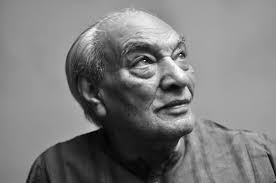
It is with profound sadness that the Sanjan Nagar Institute of Philosophy and Arts announces the passing of its founder, Mr. Raza Kazim, on 16 April 2026, at the age of 96. A lawyer, philosopher, inventor, social activist, and lifelong pursuer of what he called “the rejection of ugliness and the pursuit of human happiness,” Mr. Kazim devoted the entirety of his long life to the betterment of society through knowledge, reason, and the arts. He funded SIPA from his own legal earnings for over three decades, never seeking recognition beyond the work itself. The Institute will continue to honour his vision and carry forward the work he began. May he rest in the peace he spent a lifetime trying to build for others. |
Read More: In Memoriam: A Man No Niche Could Hold
— TRIBUTES —
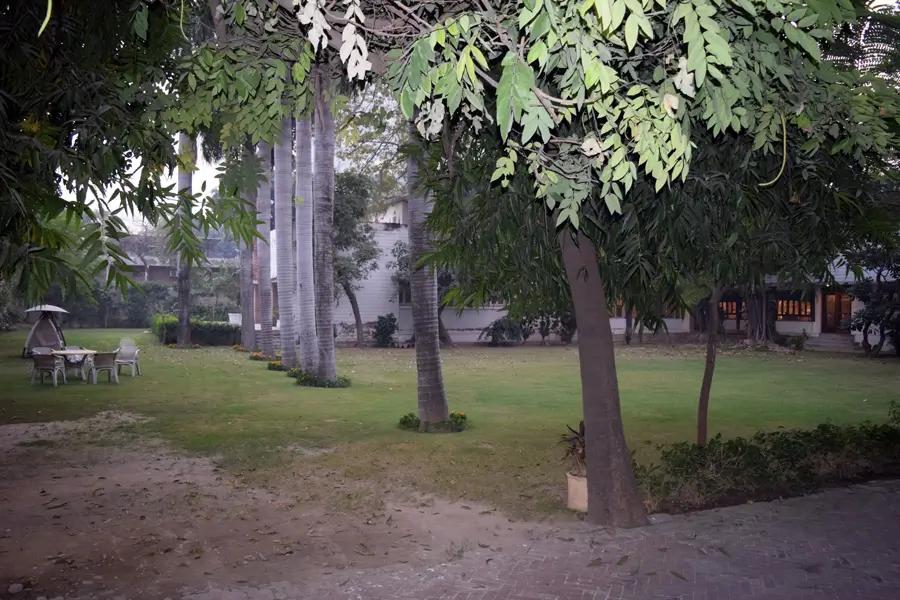
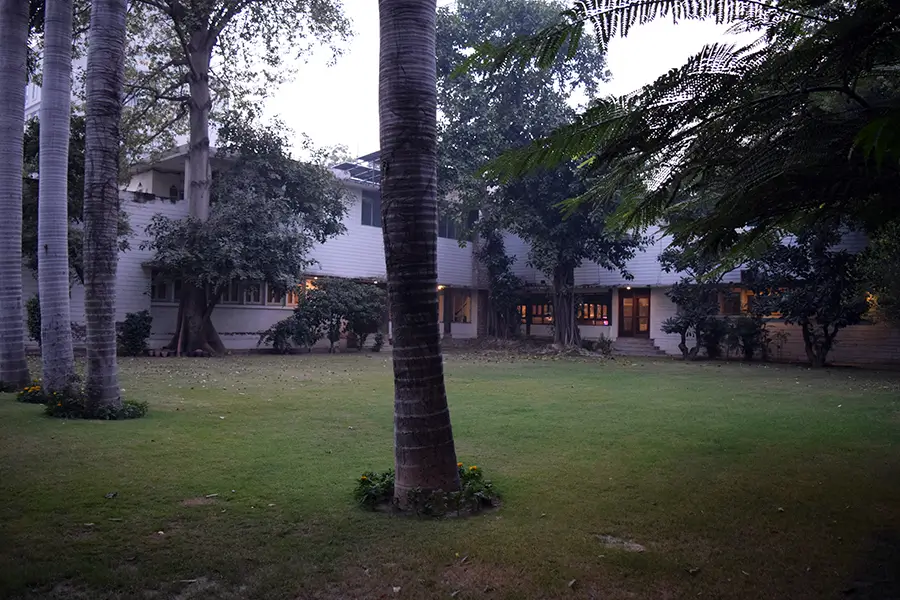
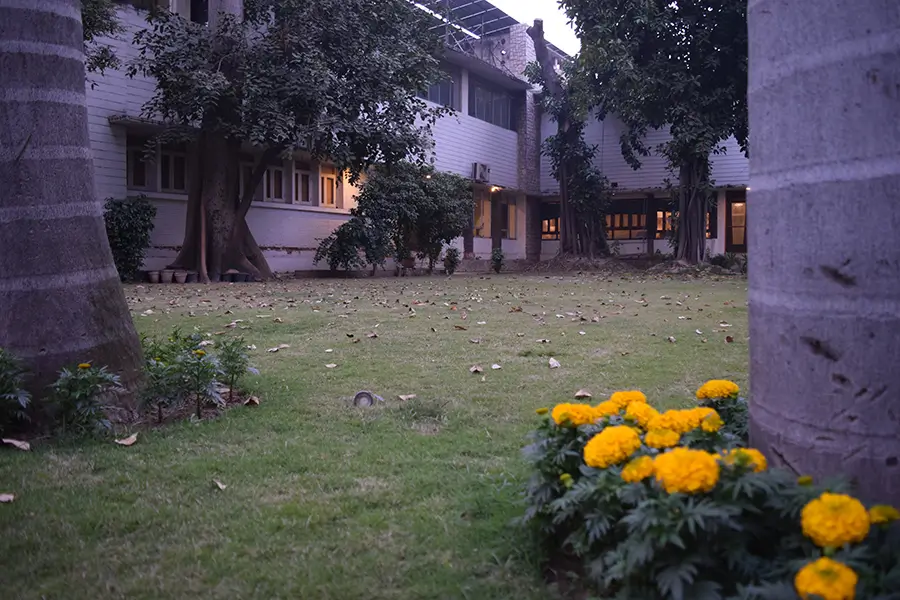
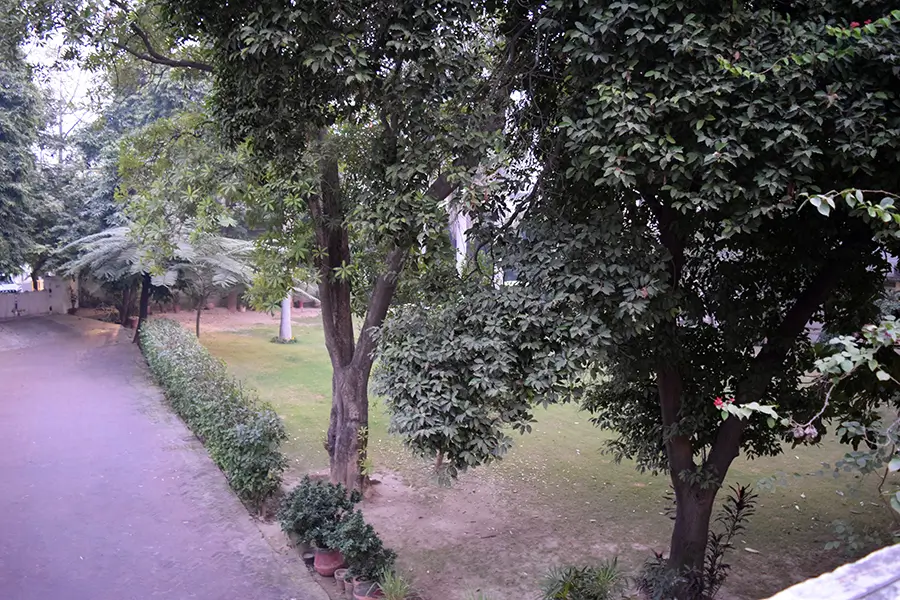
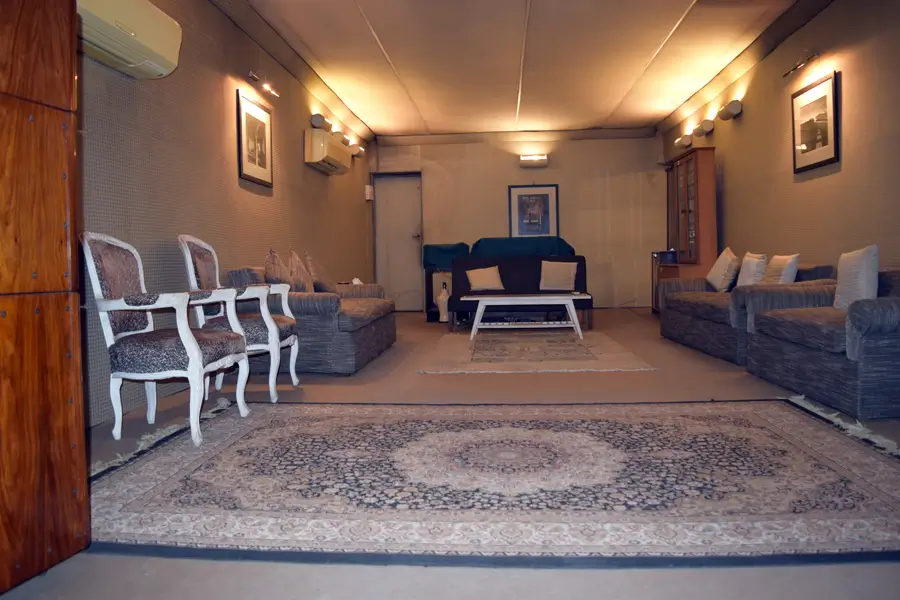
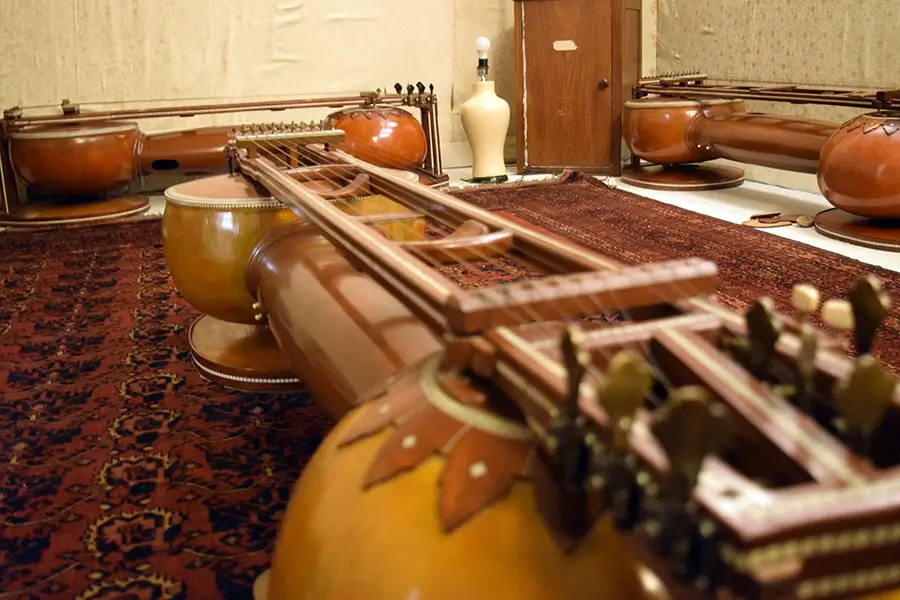
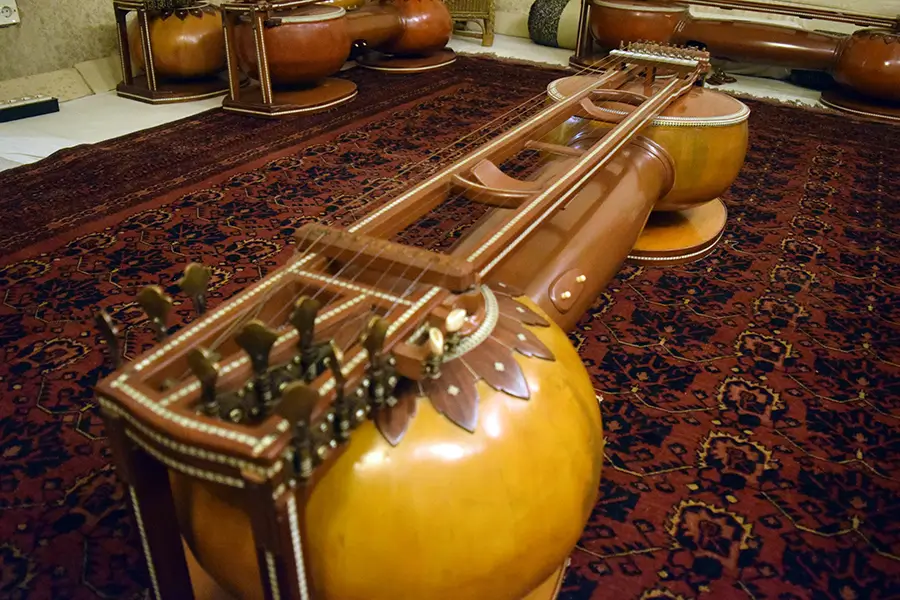
Nadia JamilI’m sitting in 13 Gulberg V. Next to my father’s house. At Raza Kazim’s dua. The koel is singing. As it always has. The crows and koels of my childhood — a grandly imperfect orchestra. — I don’t know how to explain this house to someone who wasn’t in it when Raza was. It breathed. It argued. It listened. Most of all it created and one grew with it. I’d jump the wall it shares with my Abus house to go hang with Hima, & sometimes she would hop over to mine. Hima. Raza’s youngest child. My beautiful, poetic, adventurous, hilariously brilliant friend. — Raza Bhai’s smile would rise in his eyes like a sunrise. It would sparkle there before it spread to his entire face. A supernova beaming. A smile that sits in your heart quietly for years. Raza didn’t walk. He marched. Strode — ciggy in hand — & took one through everything. The photographs. The music. The archives. Decades of recordings — not collected, built. Shaped with a patience I still don’t fully understand. Lectures. Talks. Ideas. Noor Jehan. Faiz Ahmed Faiz. Pathanay Khan. Reshma. Voices that held entire worlds. — The Sagar Veena. The Bhulley speakers. The Philosophy Institute. The recording studio — the quietest, softest room I have ever been in. Not empty quiet. Full quiet. The kind where you stop performing yourself for a moment. A womb. A creative womb. The music, the thought, the images, the talks — it was all connected. One long practice of evolving the human spirit.. & loving life. — I’m looking at the house now. One room lit. Just one. And I keep asking myself — is the work of this house over? Or was it never meant to stay inside these walls? — What lived here was never the building. It was Raza. The attention. The refusal to settle. The devotion to beauty. The discipline of actually listening. That doesn’t end. It moves. It finds new rooms. New hands. New voices. — So yes. It’s our time now. Not to talk about the work. To do it consistently To light other rooms. To continue the work of evolving into the best versions of ourselves. To keep raising the bar. With the same brutal relentless honesty & commitment to harmony. — The koel keeps singing its Maghreb song. Perfectly. |
Saeed Ul Hassan Where Conversations Never End… Almost twenty-two years ago, I met Raza Kazim for the first time. For someone like me – drawn equally to appearance and to depth, he arrived as a strange familiarity. There was something of Jack Nicholson in the intensity of his presence, and something unmistakably reminiscent of Faiz Ahmad Faiz in the quiet gravity he carried. Yet the resemblance ended there. His eyes appeared severe at first, almost intimidating but within minutes the illusion dissolved. Those eyes were not hard; they were simply uninterested in performance. They reflected a man who had moved beyond ideological theatrics, beyond political gimmickry, beyond the exhausting need to please. What remained was unfiltered genuineness: effortless hospitality, unstyled courtesy, and a rare intellectual honesty. Very quickly, my perception shifted. He was not a man anchored in the past; he seemed already ahead of his time. His gaze carried curiosity rather than judgment—an openness that hinted at infinity itself. Sitting with him felt less like a conversation and more like being taken on a journey. One lost track of time, of cigarettes ending and beginning again. For him, there was never an end—only renewal. A new layer. A new shade. A new perspective. “Limitlessness” was his natural state. If you were fortunate enough to meet him repeatedly, something unusual happened. You arrived convinced of your own intellectual certainties and left lighter, almost humbled, your carefully constructed intellectual armour quietly falling away. One became a student without formal declaration. An empty vessel. And then Raza would begin to pour not to fill you, but to expand your capacity to remain unfinished. There was never a brim, never completion. Every sitting merely created room for another question, another doubt, another awakening. Perhaps the most impossible task is to attempt to describe someone who resisted containment. How does one confine him to a single identity? Philosopher, activist, lawyer, musician, artist, photographer—each word captures only a fragment. At times he worked in stark black and white; at others he unfolded entire panoramas of colour. Anthropologist, innovator, challenger, rebel, humanist—the list expands endlessly yet never arrives at adequacy. With him, we encountered ideas that felt both ancient and radically new: brain sciences before they became fashionable, explorations of human nature beyond academic jargon, and above all, the relationship between intelligence and action—the moral responsibility of thought itself. I remember him once saying, almost casually: “It’s not about the answer. The journey from the wrong question to the right question—that is enlightenment.” That sentence never left me. Some people leave behind institutions. Some leave writings, movements, or followers. Raza Kazim leaves something far less tangible yet infinitely more enduring: a disturbance within the mind—a refusal to settle for easy conclusions, a lifelong invitation to keep asking better questions. And perhaps that is how one must part from him…not with closure, because closure would have offended his spirit…but with continuation. The conversation, as always, simply moves into another beginning. |
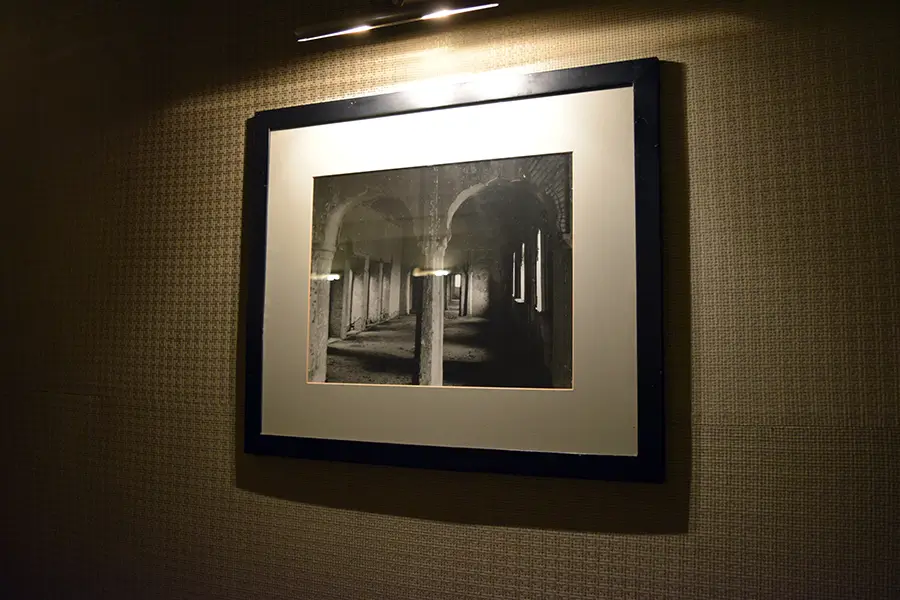
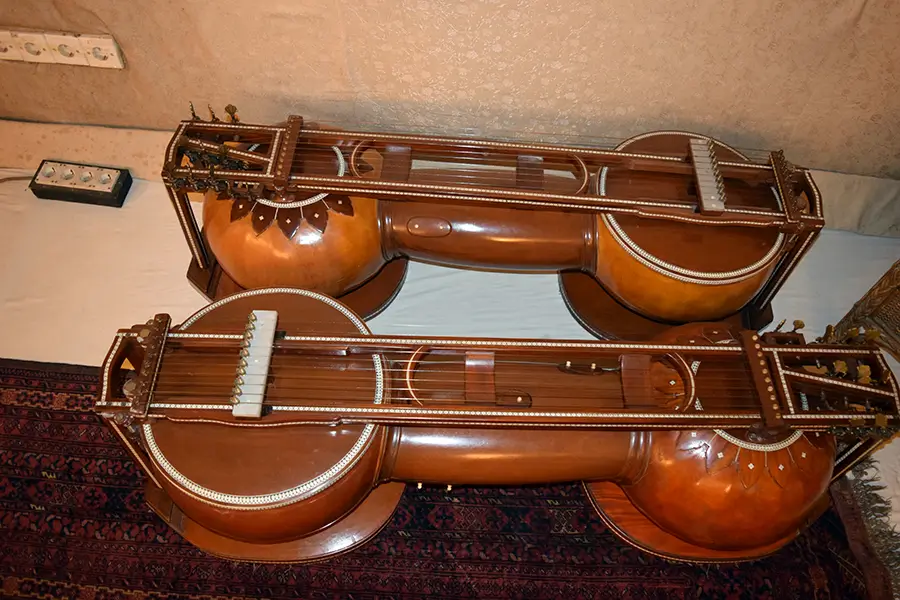
Laal Shah Raza Kazim passed away yesterday at the ripe old age of 96. By any standard, he lived a full life. Raza was first and foremost a lawyer, one of Pakistan’s top legal minds over a legal career that spanned many decades. But that was certainly not all. He was a political prisoner during the Zia years, escaping in part due to his defence by another legend, Aitzaz Ahsan and to international pleas for his release by friends like Eqbal Ahmed and Edward Said. Raza was a fabulous photographer. His home in Gulberg was filled with giant black and white prints made by Raza himself, pictures which often sold at auction for large amounts. Raza was an incredible philanthropist. In 1994, he set up Sanjan Nagar. The school takes in underprivileged children and gives them a superb education, all entirely free. Raza adored music. He not only set up his own recording studio but he invented an entirely new instrument (the veena sagar). He also made his own hifi equipment, including amps built entirely with silver wire and 100 pound speakers which used water for dampening. Twenty years ago, BNR shifted to its current premises, around the corner from Raza. When I first went to see him, Raza was incredibly gracious. During our meeting, he was called by somebody who wanted to discuss fees with him. Raza quoted him an astronomical figure (for then) and then told the poor person at the other end that he didn’t have the time to haggle since he had visitors over! In the years to come, I used to meet Raza regularly, each time clutching copies of CDs I had bought. Raza would play each of them, ask me to comment on the latest iteration of his equipment and then pronounce the verdict. He did not need to do that with me: I was then a very junior lawyer and he was, even then, Raza Kazim. Raza loved telling the story of how he happened to be having a cigarette on a balcony of the Georges V in Paris when the funeral cortege of Edith Piaf went by. This would normally be followed by a rousing rendition of “Je ne regrette rien” from his gazillion-dollar music system. Rest in peace, Raza. I hope the Almighty is ready for you. |
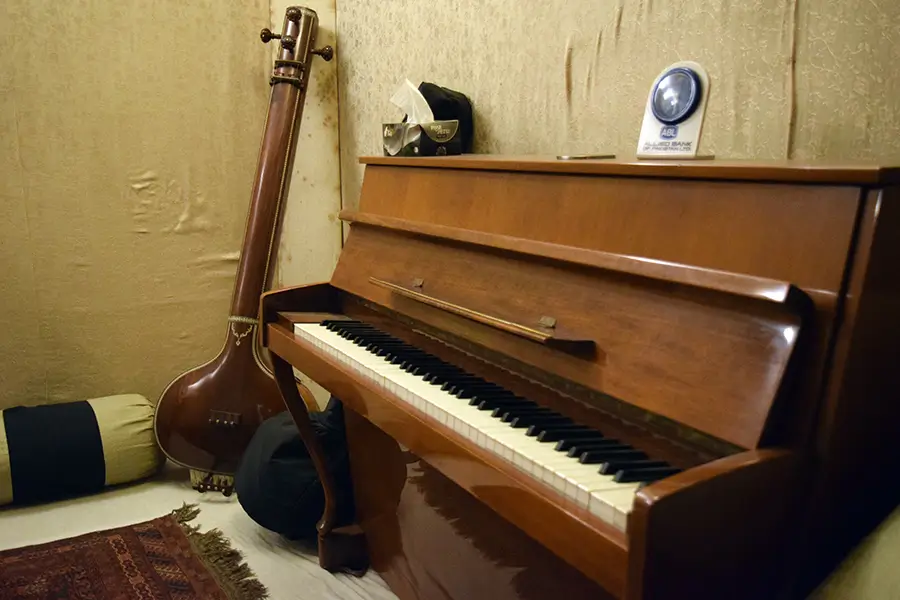
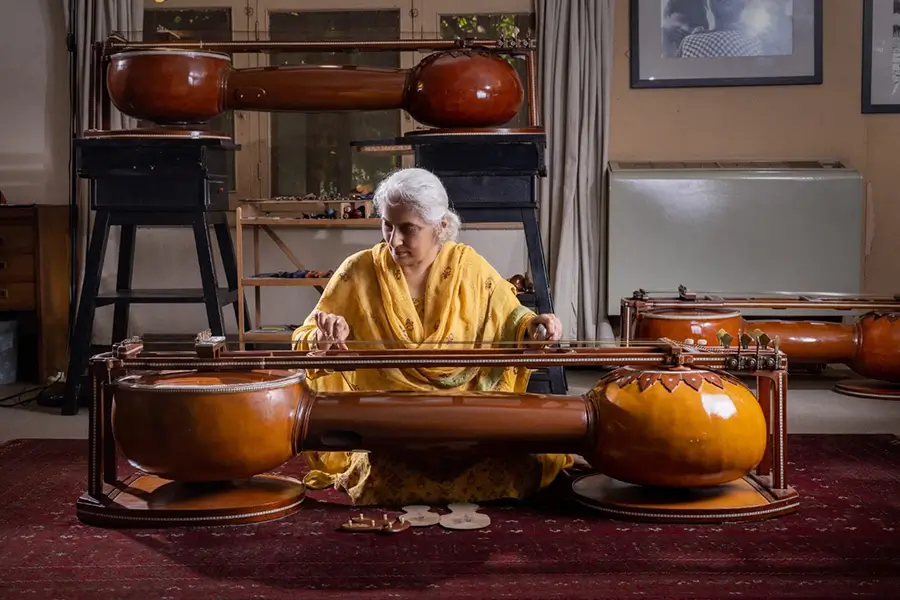
Zafar Iqbal Today marks the end of an era. My respected teacher, Raza Kazim, has passed away. He was not only an international lawyer, but also a profound philosopher, musicologist, audio engineer, and social activist. I had the privilege of working with him for nearly four and a half years—a time that shaped not just my learning, but my entire intellectual outlook. Through him, the concepts of music became truly clear. His depth in exploring time, space, mind, pleasure, pain, evolution, and the fundamental questions of existence was extraordinary. He enabled a deeper understanding of what music is, what philosophy is, and what role art must play in human life. His creation, the Sagar Veena, along with his philosophy of sound, reflects a rare ability to communicate with the inner being of the listener and the human condition at large. In my view, this is a void that may never be filled. He was truly a man ahead of his time. The ideas that the world is beginning to explore today were, for him, questions long contemplated and resolved decades ago. May Allah grant him the highest مقام in Jannah. An era has ended, but a way of thinking will endure. |
Nasim Zehra Truly there wasn’t another individual one knew within whose heart, mind & indeed soul, the incredulous dimensions of human civilization through centuries, were embedded. And how generously and passionately would Raza impart it all…May Allah’s Blessing, Love & Mercy embrace your soul dearest Raza…perfection is not given to mankind but your life’s struggle was testimony of the best of Allah’s creation, in search of perfection…in search of the beautiful, as you would explain… pursuit of the beautiful is the act of rejecting the ugly… will miss you … an icon, a visionary, a teacher … a brother💔 your legacy will live on through your wonderful children and the thousands & thousands you influenced in your encounters… We are now witnessing your thoughts, your acts, your reflections roam the global spaces through the digital world … while you securely with Allah’s Blessings, lie in the very space that you had climbed down into 42 years ago to bury our Father… yesterday Beeru and Ali Raza climbed down into the very same grave to gracefully and respectfully lay you down… Raza, you leave so many of us truly heartbroken.. strangely since we must all be celebrating who you were… truly a giant, sure with feet of clay, but with a nobility of soul and mind so rare… |
Mumtaz Hussain Some meetings stay with you—not because of formality, but because of the mind you encounter. Meeting Raza Kazim was one of those rare experiences. I visited his home, and it felt less like a house and more like a living archive of art and sound. Paintings surrounded the space, but what truly overwhelmed me was his deep, almost spiritual relationship with classical music. Every step revealed something unexpected—something thoughtful, something profound. Then came his music studio. A space alive with experimentation—where engineers were not just working, but searching. At the center of it all was something extraordinary: a speaker he calls “BULLA,” named after the great Sufi saint Bulleh Shah. But this is not merely a speaker—it is an idea, a philosophy. Raza Kazim’s vision is radical: to remove the artificial barrier between the human voice and the listener. He believes sound should not be processed into something mechanical—it should remain human, raw, and true. To achieve this, he has crafted a system using ultra-thin wood—almost like paper—where the grains run parallel to the path of sound. The result is astonishing: a voice that doesn’t feel transmitted, but present. As if the singer is not coming through a device, but standing right in front of you. And he didn’t stop there. He has also invented a new string instrument—the Sagar Veena—an evolution beyond the sitar and tanpura, yet entirely his own. It carries a new voice, a new texture of sound. Watching his daughter, Noor Zehra, perform on it is to witness the continuation of a vision—precision, depth, and devotion to music. In many ways, Raza Kazim evokes the spirit of Amir Khusro—a mind that refuses boundaries, that reimagines tradition rather than merely preserving it. Pakistan is fortunate to have such a thinker, such a creator. Not just a musician. Not just an inventor. But a seeker of truth through sound. God bless this genius. |
Zulqarnain Farooq And today, we lost Raza Kazim sahib; an ace lawyer, philosopher, musicologist, inventor, photographer… a life too remarkable to be confined to a single description. I vividly remember the first time I met him in the early 2010s, when I went with Farrukh Bashir sahib. I was still finding my footing and when he asked what I did, I told him I was studying law and hoped to pursue it seriously. After barely an hour, he looked at me; almost amused and said : “Arrey bhai, yeh chhoro wakalat ko , tumhein to sirf mousiqi ki tehqeeq par tawajju deni chahiye.” He then spoke about Vishnu Narayan Bhatkhande, how even he had begun with law before surrendering to music. But what stayed with me wasn’t just what he said; it was the conviction with which he said it as if he could already see a path I hadn’t yet begun to understand. Over time, I realised that conversations with him were never just conversations, they were invitations to think deeper, to question more honestly and to resist settling for the obvious. I still remember when my former boss, Bilal Hassan Manto sahib gave me a tape of Ustad Shareef Khan sahib Poonchwaley’s Bilawal on sitar, recorded by Raza sahib himself in his studio. But what intrigued me even more was the voice on the other side of the cassette: an elderly woman, struggling to sing and yet carrying echoes of a time when she must have sung with great grace and command. I remember wondering, Iss awaz ko Raza sahib ney kiun record kia ? I later learned it was Tamancha Jaan in her later years. Faiz sahib had taken Raza sahib to meet her and as always, he carried his small spool recorder quietly documenting what others might have overlooked. From him, I learned not just to listen, but to preserve; not just to admire, but to archive. He was unlike anyone I had ever met, fiercely original, unapologetically ahead of his time & deeply committed to ideas most of us are still trying to grasp. |
Rahul Ghosh Obituary: Raza Kazim — The Man Who Refused the Finished Sentence He has died, they will say. But that would be too neat for a man who spent a lifetime dismantling neatness. Raza Kazim did not belong to death in the conventional sense. He belonged to pauses, to refusals, to the long hesitation between ideology and conscience. If he has departed, it is only from the grammar of certainty. There was a boy once, somewhere in the undivided subcontinent, who heard the word ‘freedom’ before he understood the word ‘nation’.The tremors of the Quit India Movement reached him not as slogans but as interruptions—interruptions of inherited obedience. He carried that interruption forward. Later, in the disciplined corridors of the Communist Party of Pakistan, he tried—like so many of that wounded century—to turn history into a machine that could produce justice. But Kazim was not built for machines. Even when he spoke the language of dialectics, there was always a fracture in his tone, a hesitation that betrayed a deeper allegiance—not to Marx, not to Lenin, but to something older, quieter, and far more dangerous: doubt. His friendship with Eqbal Ahmad was not merely intellectual; it was conspiratorial in the most humane sense. Together, they inhabited that rare moral territory where critique is not performance but risk. Where speaking is a form of exile. They understood, perhaps earlier than most, that postcolonial states often inherit not freedom but its architecture of control. And so Kazim stepped away—not theatrically, not angrily—but with the quiet finality of someone who has recognized the limits of a language. Post-Marxism, in his case, was not a theory. It was a renunciation. A shedding. A return. And then—music. Not as escape, but as resistance. The Sagar Veena, his improbable, almost defiant invention, was not merely an instrument. It was a philosophical argument made of wood and string. In its long, resonant body lived a refusal of fragmentation. Where Western modernity dissected sound into notes, Kazim sought continuity—an oceanic unfolding, as if each vibration remembered something older than history. He did not “create” the Sagar Veena. He listened it into existence. At the Sanjan Nagar Institute of Philosophy and Arts, he built not an institution but a sanctuary for unfinished thoughts. Students did not come there to learn conclusions. They came to unlearn certainty. He insisted—gently, stubbornly—that philosophy without silence is merely noise. And India? He did not speak of it as a foreign country. Nor as nostalgia. Nor as grievance. India, for Kazim, was a continuity interrupted but not erased. A civilizational echo that survived borders, much like a raga survives its own improvisations. There are those who inherit nations. And there are those, like Kazim, who inherit something far more burdensome: a sense of the world before it was divided into flags. He belonged to the latter. In his later years, one sensed not withdrawal but distillation. He had shed ideologies the way a tree sheds leaves—not in rejection, but in preparation for a different kind of endurance. If you asked him what remained, he might not have answered. Or perhaps he would have pointed—not to a book, not to a theory—but to a single sustained note on the Sagar Veena, trembling just at the edge of audibility. He leaves behind no system. No doctrine. No obedient disciples. Only a question. And in an age addicted to answers, that may be the most radical inheritance of all. |
Mobeen Ansari My heart feels heavy, as I write this farewell to Raza Kazim, who just passed away this afternoon. He was such a larger than life figure that it is really difficult to even begin describing him. I could talk about his brilliance – from making Saagar Veena instrument- to his advocacy work in his years as a lawyer- to impacting countless lives with Sanjan Nagar Institute of Philosophy and Arts- and finally- to his photography- which had such a major influence on me and my work. He was truly a pioneer of street photography. He not only used to take his large cameras in old streets of Lahore, but he also experimented in the darkroom and came up with the most brilliant abstract images- so far ahead of his time. I will never forget the first time I met him in 2009. It was still early on in my career and approaching my last year in college. His grandsons, Ali Noor and Ali Hamza, who are dear friends took me to meet him at his house, where I saw huge photos of old portraits and still life he had done on large format cameras. After seeing his work and having a detailed talk about him with Ali Noor, I went to his office, and there he sat, smoking a cigarrette and working on one of his Bhullay speakers- another invention of his. We sat down, and he went through my photographs, which were printed on a portfolio book, and he looked through each and every one of them and asked questions. He put it down, and looked at me and said that he noticed I worked a lot with colour, and said the following words which I’ll never forget: ‘I can teach you how to shoot black and white, and you can teach me how to shoot in colour. You become old, and I become young’. Not only did these words make me fall in love with black and white photography, but were a lesson in humility- and that no matter what age or stage of life we’re in, we’re always learning, and in the process of it, we can always try new things. This is one of the million things I’ve learnt from Raza Sahib Such was the sheer brilliance and stature of this man that he felt like a rare polymath of our own time, someone who refused to be confined to a single discipline.There is a reason we remember people who are larger than life because there are so few of them in the world, and Raza Sahib was one of them. May he rest in peace, and may his family, community, and well wishers find patience to deal with this immense loss. |
Sheema Kermani How to react when one hears about the passing away of somehow who you have held in the highest regard, esteem and affection? In recent years so many beloved personalities have passed away and I am still trying hard to cope with their loss; parents, friends, comrades, all who have been in a sense life partners in all the decades of my life! I had gone to Lahore in 1973 with my friend and comrade Karamat Ali. While we were meeting many friends he said we have to meet another important person before leaving Lahore. So we land up in this huge house where two amazing and handsome men recieve us- the late Eqbal Ahmed and Raza Kazim. This was at Raza’s beautiful house, we sit in his library and I think this first meeting with Raza has always stayed in my memory and will always stay in my memory as the first person who looked me straight into my eyes and spoke straight to my heart with such intense and piercing words that they will never leave me. He asked me my name and I told him that my name is Baela, (Karamat and I were undergound in those days so we were not using our real identities. He also told me that one of his daughters is named Baela, this is of course Baela Raza Jamil who I met later and am fortunate to know her and her wonderful work). Raza said, “A beautiful girl with a beautiful name, you must be in search of beauty?” I replied “Yes, of course I am” – to which his response was, “Well then we are all in pursuit of beauty!” For him, for Eqbal Ahmed and for all those who were in this pursuit it was the ‘Socialist Revolution’ that would provide us with this beauty! Raza spent his life in this search and taught hundreds of others, took us along this path, where we learnt to question, search, explore how to achieve the happiness that comes out of beauty! Ever since then, almost every trip to Lahore I found myself going to meet Raza. Each meeting was a new experience, a new discovery – the quest for beauty, for hapiness was ongoing. There is much that I am grateful for to him. When I told him about my interest in dance, he would record dance performances that used to come on Doordarshan (which was not available in Karachi, but due to close proximity people in Lahore would be able to watch). Yes he would actually make recordings for me and the hours of discussion on how to make dance and music meaningful to our lives and bring in contemporary sensitivities in our art! So, I celebrate the life of Raza, I celebrate knowing him, I continue on the path he taught us all – he has not gone, he lives in the music of the wonderful Veena he created, in all the different art forms his children and grandchildren pursue and in all of us who carry his ideas integrated into our lives, forever! |
Mano Javed Raza leaves! Lahore’s wit and charm faded a bit today! Whether through Marxism or mentology, music or the Sagar Veena, high range amplifiers or symbolic photography, Sanjan nagar school or the institute of Art and philosophy, Raza used every craft and each space to make tangible his fierce commitment — emotional and intellectual — to reshaping life. |
Ashraf Sharif Khan I am deeply saddened to hear of Raza Kazim saheb’s passing away. A great man leaves this world for his next journey. This loss feels similar to when I lost my father, Ustad Sharif Khansaheb. I have fond and cherished memories of Raza since childhood, and will always be thankful for his love and patronage. May Allah bless his soul.🙏😢🙏 |
Shahid Usman رضا کاظم کے انتقال کے ساتھ ہم نے صرف ایک سینئر وکیل نہیں بلکہ ایک غیر معمولی ذہن کھو دیا ہے۔ انہوں نے تقریباً سات دہائیوں تک وکالت کی، مگر انہیں صرف “وکیل” کہنا ان کے قد کو کم کرنا ہوگا۔ وہ ایک مفکر تھے جن کے لیے قانون محض ایک ذریعہ تھا، فلسفہ، سیاست اور موسیقی کی طرح۔ ان کی اصل پہچان یہ ہے کہ انہوں نے کبھی فکری جمود کو قبول نہیں کیا۔ نظریات سے جڑے، انہیں پرکھا، بعض کو رد کیا، اور اپنی سوچ کو بار بار نئے سرے سے تشکیل دیا۔ ہم میں سے اکثر لوگ اپنی پوزیشن کا دفاع کرتے ہیں، جبکہ انہوں نے ساری زندگی سوال اٹھائے۔ ان کی جدوجہد حقیقی تھی۔ انہوں نے قید و بند بھی برداشت کیا مگر اقتدار کے ساتھ سمجھوتہ نہیں کیا۔ سنجن نگر میں انہوں نے ایک فکری اور ثقافتی مرکز قائم کیا اور انسٹی ٹیوٹ آف میوزک اینڈ فلاسفی کی بنیاد رکھی۔ موسیقی میں نیا ساز (ساگر وینا) ایجاد کرنا اس بات کی دلیل ہے کہ وہ صرف قانون تک محدود نہیں تھے۔ قانون، مزاحمت، فکر اور تخلیق یہ سب مل کر ان کے مقام کا تعین کرتے ہیں۔ نوجوان وکلا کے لیے ایک سادہ سبق ہے: قانون صرف پیشہ نہیں، بڑے کام کرنے کا ایک ذریعہ بھی ہو سکتا ہے۔ رضا کاظم ایک معیار چھوڑ گئے ہیں، اور سچ یہ ہے کہ اس معیار تک پہنچنا آسان نہیں |
Hazel Kahan It confuses me to think of Raza as somehow gone, as no longer “here” because he is so very much in the world and always will be. I first met Raza in 2011 when I returned, after 40 years, to see Lahore again, to touch again the town of my birth and 55 Lawrence Road, my beloved Lahore home where my parents, Hermann and Kate Selzer, two German physicians arrived in 1937 as refugees from Hitler’s Europe. The two doctors continued to build their medical practice after their young lives were interrupted by five-and-a-half years of British Indian internment near Bombay from which we were released back to Lahore after the war. After my father died in 2007, my son Danny who had spent a year in 13 Gulberg 5 with his grandparents, wrote to “the owner” to enquire who now lived in that house. And Beena answered! Her letter was a beautiful welcoming invitation from her father, from Raza(!) to come and be his guests. And so, on that monumental first return to Lahore, (my son, alas, couldn’t come with me) I visited my second Lahore home,13 Gulberg 5, that was now Raza’s house and home, the place that had been our family’s home for 12 years before we left Pakistan in 1972 for what I thought was forever. Entering the (our!) driveway, my heart beating faster, my head spinning, I didn’t know where to look first. It was all so familiar and all so very different. One of the first things I noticed was that the champa tree my mother had planted was still there, in full flower! A few minutes later Raza appeared, hugged me for a long time and welcomed me to MY house: “This is your house, Hazel” he said, “we are your guests.” And true, as first one, and then another member of the household offered to guide me, I saw that yes, it was still the house I knew and loved but now it also contained a whole new world made by Raza. I remember so many of our conversations, some of them in what I called his “aerie” upstairs that used to be part of the servants’ quarters, the photography rooms that were our dining room and sitting rooms, my bedroom now filled with Noori’s musical instruments, the clinic now where the keepers of Mentology reigned! And there I was again, in 2012 and 2013, with Raza at the center of the alchemy that transmuted 13 Gulberg 5 from our house of healing the human body and mind, to Sanjan Nagar, Raza’s house of artistic creativity, intellectual frontiers and the unleashed human spirit. And so, I will always know that 13 Gulberg 5 is the place where Raza’s story and mine met and where they will always be entwined. And always, along with deep sadness that we have lost him, it’s wonderful to know Raza lives! |
Sanjana Noor Beloved Raza Kazim, I saw it coming from miles away. I made a short video from my phone of you softly sleeping on your grand arm chair next to the nurse just a few days before you left this earth. I knew in my heart, in my gut……that was the last time I would see you alive and breathing. I feel the pain of my grandmother and father when I think of you, as well as the others that adored you tremendously. However, when I try to feel for you, I feel the softness of silence in the most serene way. I am your great grandchild, yes. Even so, we had no relationship whatsoever. Just tales of protest, adventure, intellect and art via your eldest daughter and first grandson as well as other close relatives. Noor Zehra Kazim was meant to be called Sanjana. Ali Noor named me Sanjana. I carry fragments of your blood dear Raza, I am formidable and fierce and that very ferocity more often than not gets me into trouble. Unlike you, who had a specific cause and significant cause, I grab a hold of everything, every cause which makes my head spin. I took your interview once when I was oh about 12, I lost the recording. But Raza, I miss saying Adaab to you. I miss going upstairs I miss your smirk instead of a smile. I miss your accent (lehja) I really didn’t think your death would bother me. Truth be told, more than blood, I resonate with you. “The blood of the covenant is thicker than the water of the womb” I’d like to believe I’m lucky Lucky in the sense that I was there during the last few days. I danced for you I sang for you During the days of my stay in Gulberg, You caressed my face as if I was some mystical creature, I’ll never forget the way you looked me in the eyes that day, I felt more human than ever before in my life. Your power Your spirit Your hold on the land of the pure will never be forgotten, not as long as Noor Zehra is here (and her siblings) nor as long as Ali Noor is here (his cousins and sibling) and countless others. Not as long as I live and breathe. Your fire fills my soul, we share the same embers and the exact same anger which is how I know I’ll meet you first on the other side. My anger is my guide……and my demise. My love is what will bring it all back full circle. Right back to you Raza Kazim. Warmest, most tender regards; تمہاری پڑپوتی سنجنا |
Khurram I was 18, visiting my parents and subjecting them to stream-of-consciousness mode. My dad listened to it all, paused, and said “I found a solution to your endless questions. Raza is visiting us.” The next evening we went out to a restaurant by a small lake. I don’t recall a thing about the dinner itself. Here’s what I do remember. As the setting sun shone across the lake, Raza walked over to the bar and got himself comfortable on a high stool. It took a while for my curiosity to overcome shyness, but then I got up and walked over. “So what’s your poison?” Raza asked. “Mm, I’m not drinking” was my mumbled answer, to which he replied “who said anything about alcohol?”. I had stepped through a portal and nothing would ever be the same. The next 90 minutes were full of laughs, provocations, and introspections. When I questioned him on philosophy, he took me to the rocky shores of Ancient Alexandria overlooking the Great Library. When I pushed him on evolutionary biology, we waded through the jungles of 19th Century Indonesia. And when I regurgitated what I had learned about a military establishment confronting civil bureaucracy, he invited me to the Grand Qurultai of Kublai Khan in 1260. Over the next 20 plus years, the conversations got only more interesting. This was in part due to his imagination, which was a telescope of his own design, constrained neither by atmosphere nor dogma, and capable of taking his companion across the cosmos, a thousand years back, or ahead, in staggering detail. Of course, there was an entrance fee for the terrestrial companion. Gup shup could be paid in dark chocolate, cigarettes, whiskey, or perhaps a racy joke. Any serious discussion, however, meant playing by Raza’s challenging and sometimes frustrating rules. In fact, as much as I looked forward to each interaction, I found myself preparing talking points lest I squander the opportunity for a nugget of insight. But what do you say to someone who has already read what you read. Thought what you thought. Made the mistakes you made and the ones you are yet to make. And ever the mischief, also done things the other way. How do you respond to someone who says “there are ways of being a second-rate lawyer – I just don’t know what they are”. And how do you keep a straight face when your mentor is barefoot on a treadmill wearing a Hawaiian shirt and smoking a cigarette while explaining he needs to attend to his cardiovascular health. But the real magic of Raza was not his encyclopedic knowledge, brilliant (and often ridiculous) ideas, or incomparable charisma. Nor was it his cutting wit. Or that in battle he was like a Viking lord: clear-headed and ruthless. Rather, it was his willingness to take time out for anyone who approached him in good faith. It was his ability to maintain entirely distinct relationships with friends, enemies, family members, interlopers, and everyone in between. And it was his incredible discipline of talking at the level of the person in front of him – an emotional and intellectual pace car that would keep you in sight. There is much more to say but words now fail me. It feels like a great loss. But I think he would say that now it is our turn to step up and serve our communities, live life to the fullest, and make time for every curious soul working up the courage for a real conversation and an unexpected voyage. |
Mohsin Tejani Dear Baela, On behalf of the Central Executive Committee and the Professional Councils of the Society of Pakistan English Language Teachers (SPELT), I am writing to express our profound grief and deepest condolences on the passing of your illustrious father, Mr. Raza Kazim. Pakistan has lost a rare intellectual giant – a man whose life was a masterclass in the pursuit of justice, art, and philosophical inquiry. While the nation remembers him as a legal titan and the visionary behind the Sagar Veena, we at SPELT also remember him for the spirit of progressive humanism that he championed so fiercely. We are particularly mindful of the deep and long-standing bond of friendship he shared with our Patron-in-Chief, Prof. Zakia Sarwar. Their shared history in the intellectual landscape of our country makes this loss feel personal to the entire SPELT family. Your father’s commitment to building a more enlightened society is a legacy that we see mirrored in your own tireless efforts and the ardent support you have always extended to our community. In this time of immense personal loss, please know that our thoughts and prayers are with you, your siblings, and the entire family. We hope that the extraordinary legacy he leaves behind through Sanjan Nagar, and his contributions to our collective culture provides some measure of comfort. May his soul rest in eternal peace, and may you find the strength to carry forward his light. With deepest sympathy, |
Dr Salman Ahmad My dear Ali Noor, Ali Hamza, Beena Raza, and your entire family, I was deeply saddened to hear of the passing of your beloved grandfather, father, and patriarch, Raza Kazim sahib. He was a rare soul—a trailblazing human rights lawyer, a committed humanitarian, and a profound musicologist whose legacy will continue to inspire generations. I had the privilege of witnessing his courage and integrity firsthand when he stood by me and helped defend Junoon during one of the most challenging periods of our journey. I will always remain grateful for his strength, clarity, and unwavering commitment to justice. His life was a testament to intellect, principle, and service. His absence leaves a void, but his light endures in all of you and in the countless lives he touched. I will miss him dearly. إِنَّا لِلّهِ وَإِنَّـا إِلَيْهِ رَاجِعونَ To God we belong and to God we shall return. May his soul be enveloped in infinite grace, abundance, and peace, and may he be granted the highest stations in Jannah. With love, prayers, and deepest condolences. |
Syed Fakhar Imam Beena Raza ji, While no one in your family likely knows me, there are few in Raza Sahab’s family whom I do not know of. This connection grew through two people: the first being “Syed Waseem Alam (Tipu Sain)” from Okara. He never gave me a formal introduction to Raza Sahab, but he spoke his name so often that I became restless to learn more about him. In this modern age, finding information is easy, and I finally managed to see him—though I cannot say I truly “knew” him. For someone as humble as me, even using the word “know” feels inappropriate. I longed to meet him and asked Waseem Alam for help, but by then, Raza Sahab had retreated from public life, and the pandemic made access nearly impossible. My familiarity with his family grew through the Music Conference, “Noor Zehra Ji”, and yourself. I consider myself incredibly fortunate. When Raza Sahib was presented with a Life-Time Achievement Award at the Music Conference, I was there to photograph him. A beautiful, unexpected moment occurred that you might remember: despite his frail health, Raza Sahab got up from his special chair on stage and walked all the way to the stairs for a photographer. That moment of kindness was a stroke of luck I will never forget. I wanted to kiss his hands, and I did. When he placed his hand on my head, it felt like a divine, luminous touch. Raza Sahib has now left us. I heard the news late yesterday; I immediately stepped outside my home and offered him my final salutations. Whenever I met Noor Zehra Ji, I would ask about him, and I am so grateful to her for always sharing updates on his well-being. He was, he is, and he will always be. Though his physical absence is a harsh reality we must all accept, I believe that wherever he is now, he is forming a beautiful new circle. He is likely speaking about the “perfection of the self” or perhaps reimagining the design of a musical instrument. He must be lighting up that world with his presence, the center of attention once more. |
Abuzar Madhu The day before yesterday, I had gone to Sanjan Nagar School to conduct a theatre workshop with children, when the news of Ustad Raza Kazim sahib’s passing reached me… At dismissal time, watching hundreds of children leave the school laughing and playing, I found myself thinking ،perhaps the departure of souls like Raza Kazim sahib is never an end in the ordinary sense. They simply change form… and continue to live on through their work. Among his countless contributions, just look at this one school،it leaves you in awe. Since 1995, in a working-class neighborhood, this school has been nurturing generations of children،many of them from the Christian community,guiding them towards thinking, questioning, and imagining. Many of my own friends studied here… and now they themselves are teaching. From the music department at NCA to institutions like the Sanjan Nagar Institute of Philosophy and Arts these are no small legacies. I met him around 2015–16, with Vicky and Mano… There used to be a “Heer Sangat” there… we would sit every week, listening to him for hours. It was there that I first encountered his philosophy, which he had named “Mentology.” From his grandchildren to his students, everyone simply called him “Raza”… words like “Sir” never felt right for him. Together with Mano Javaid, we had worked on a collection of stories called Jagrate Walay, published around 2017 perhaps… that work, too, began in those Heer gatherings of Raza. So many memories… so many conversations… There was only one like him, in his own رنگ (color, being). Raza, you are still with us… always…. |
Waqas Manzoor اج کتابِ عشق دا کوئی اگلا ورقہ پھول۔۔۔ Raza’s life has been a mirror to this line as I have always found him in the pursuit of finding something new and whatever he did he transcended to , either philosophy, music, audio engineering, invention of Sagar Veena, designing amplifiers or photography. I have witnessed him devoted to jawaari- fine tuning-Veena’s neck, he used to call it Mazdoori-labour-for hours wearing spectacles without even noticing if someone is standing behind him. He had child-like inquisitiveness once, almost a decade ago, he got hurt his hand by a mouse trapping device as he was trying to understand its mechanics. Raza has been a person of possibilities, while he was in solitary confinement he thought and developed a philosophical discipline called Evolutionary Mentology. Knowing him has been more than education as he has been an institution who was such a جوھر شناس of talent and there are many who found a direction with his support. Raza has been the one who taught me knowledge doesn’t mean compartmentalizing its forms but viewing as a whole and I feel that has been a life changing moment as his life was a manifestation of understanding the whole. Raza has been a person of perfect precision all the acts he committed in his life they had been a true spirit to find perfection he’s always been there to take the next step or turn the next page of Kitab-e-Ishq. My 1st interaction with Raza was back in 2014 when I joined Sanjan Nagar, seeing him was itself an inspiration later I joined, Heer Committee and used to visit SIPA every weekend. I used to eagerly look forward to the weekend as after every meeting there used to open a new window of wonders and possibilities. One of the most fascinating things about Raza when he came to Lahore he settled for good though he had a choice to be relocated but his choice was Lahore I think, he fell in love with Lahore and stayed loyal to it yet he’s echoing throughout the world either through the strings of Veena, amplifying through Bullahy, being listened by the musicians he supported, many students of Sanjan Nagar voicing his ideology of being human,many are researching on his developed discipline Evolutionary Mentology ,that he said every other thing came out of it. Raza has always believed in پینڈا-journey- He was one who showed light to many and I had been lucky to be one of the many. Raza is the name of Transcendence… لے او یار حوالے رب دے۔۔۔ |
Share your memory of Raza Kazim. If he changed the way you think, gave you a piece of work you carry with you, or simply sat with you and said something you have never forgotten — we would like to hear from you. Send your tribute to info@sipa.org.pk. Selected tributes will be published on this page with your permission. |